sigma solar

Top 10 Benefits of Installing Solar Panels on Your Home or Business

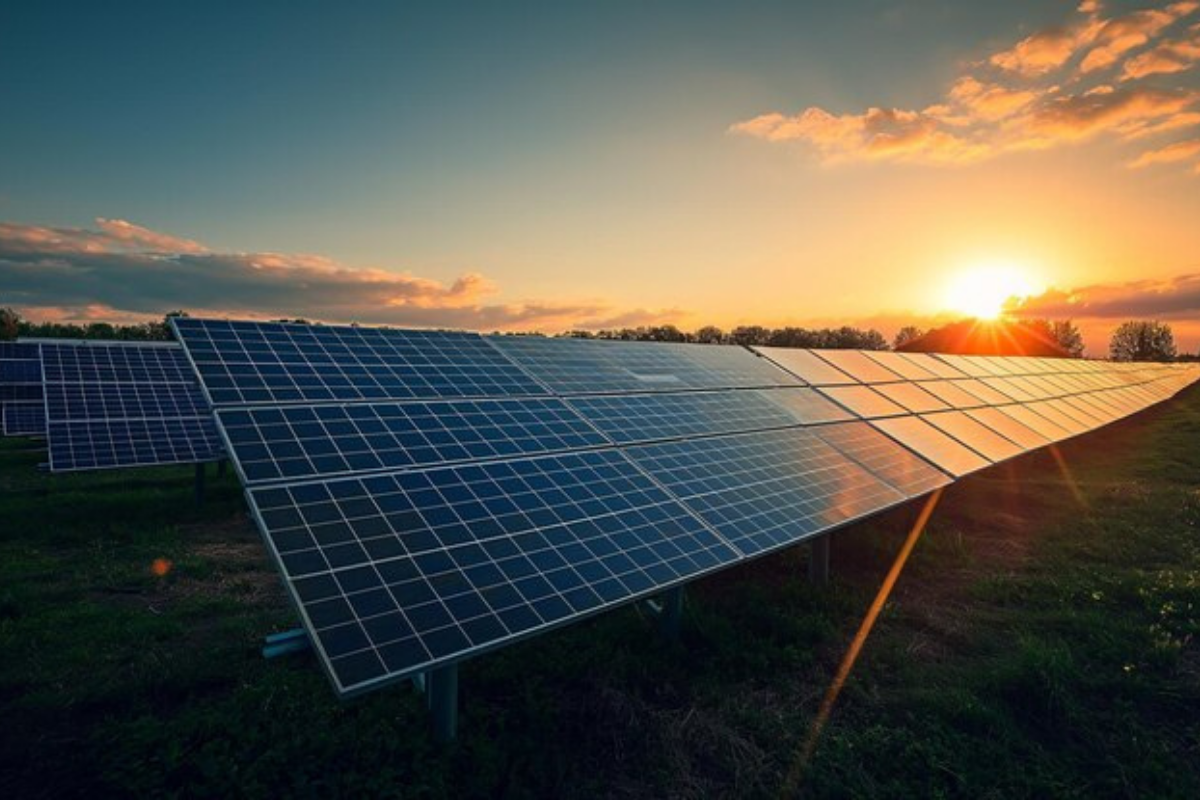
In today’s world, solar panels have become an increasingly popular choice for homeowners and businesses alike. The growing interest in solar energy is driven not only by environmental concerns but also by the numerous practical advantages this technology offers. Installing solar panels on your property can bring significant savings, boost property value, and support a sustainable future.

This blog explores the top ten benefits of solar panels in a way that’s easy to understand, giving you a clear picture of why solar power is a wise investment.

1. Significant Savings on Electricity Bills

The most noticeable benefit of solar panels is the reduction in monthly electricity bills. By generating your own electricity from sunlight, you rely less on energy from the grid, which means you pay less to the utility company. Over time, these savings can add up to thousands of rupees, effectively covering the initial cost of installing the panels. Plus, in many areas, you can sell surplus electricity back to the grid through net metering, turning your solar system into a source of income.

2. Environmentally Friendly Energy Source

Solar energy is clean and renewable, which means it doesn’t produce harmful emissions that pollute the air or contribute to climate change. Switching to solar reduces your carbon footprint drastically compared to using electricity generated from coal or gas. This helps protect natural resources like water and air, contributing to a healthier planet for future generations.

3. Energy Independence and Security

Generating your own electricity provides energy independence. You’re less affected by fluctuations in power prices or disruptions in the grid. For businesses, this means more predictable energy costs and greater control over operations. Solar panels paired with battery storage can also provide backup power during outages, increasing overall energy security.

4. Increased Property Value

Homes and commercial buildings equipped with solar panel tend to have higher property values. Potential buyers are willing to pay more for properties with lower electricity bills and green energy features. This is a strong selling point, especially in environmentally conscious markets. Additionally, solar panels enhance the appeal and modernity of the property.

5. Low Maintenance Costs

Solar panels are surprisingly low maintenance. Once installed, they require only periodic cleaning to remove dust and debris, which helps them operate efficiently. Most solar panel manufacturers offer warranties of 20-25 years, reflecting their durable design. There are no moving parts, so there’s less wear and tear compared to mechanical systems, making solar a long-lasting investment.

6. Government Incentives and Subsidies

Governments worldwide promote solar energy by offering financial incentives, subsidies, and tax rebates to reduce the cost of solar panel installation. These incentives make solar more affordable and attractive, speeding up the return on your investment. Checking local policies and programs can help you take full advantage of available benefits.

7. Reduction in Energy Loss

Electricity travels a long way from power plants to your home or business, losing some energy along the way. When you generate power using solar panels on-site, there’s little energy loss since electricity is used where it’s produced. This efficiency means you get the most out of every unit of solar power generated.

8. Scalability and Flexibility

Solar panel systems can be designed to fit any property size or energy need. Whether you want to power a small home, a commercial building, or a large industrial facility, solar systems can be scaled accordingly. It’s also easy to add more panels later as your energy needs grow.

9. Supports Sustainability Goals and Corporate Image

For businesses, adopting solar energy reflects a commitment to environmental responsibility. Many consumers today prefer companies that prioritize sustainability. Using solar power can enhance your brand image, open doors to green certifications, and encourage customer loyalty by showcasing your eco-friendly practices.

10. Contribution to a More Stable Power Grid

Solar panels also help stabilize the overall power grid by generating electricity during peak sunlight hours when demand is high. This reduces strain on conventional power plants and helps prevent outages. By adopting solar, homeowners and businesses contribute to a more resilient and reliable energy system in their community.

Conclusion

Installing solar panels on your home or business is a powerful step towards saving money, protecting the environment, and gaining greater energy independence. Beyond financial benefits, solar energy offers long-term advantages for property value, maintenance ease, and corporate responsibility.

Whether you’re interested in reducing costs or supporting a sustainable future, solar panels provide a smart investment. For expert guidance tailored to your needs, contact Sigma Power Tech to explore the best solar solutions for you.

FAQ’s

1. What is a solar panel and how does it work?
A solar panel is a device that converts sunlight into electricity using special cells called photovoltaics. It generates clean energy that powers your home or business.

2. How much can I save on electricity bills with solar panels?
Savings depend on your location, energy use, and system size, but many users reduce their bills by 30% to 70% or more by generating their own electricity.

3. Are solar panels expensive to install?
While the initial cost can be significant, government subsidies and reduced energy bills over time make solar panels a cost-effective long-term investment.

4. Do solar panels work on cloudy or rainy days?
Yes, solar panels still produce electricity on cloudy or rainy days, but their efficiency is lower compared to sunny days.

5. How long do solar panels last?
Most solar panels come with a warranty of 20 to 25 years, but they can often last much longer with proper maintenance.

Related Posts

Biogas/LPG Cylinder

India’s LPG Crisis 2026: Why Biogas is the Smartest Alternative Right Now

In 2026, millions of Indian households and small businesses are asking the same question:What happens when your LPG cylinder doesn’t arrive on time—and what if prices keep going up? India’s LPG crisis is no longer theoretical. Supply gaps, rising LPG cylinder price shocks, and distribution bottlenecks have turned cooking‑fuel planning into a monthly gamble for homes, farms, and commercial kitchens. Biogas is stepping in as the strategic, low‑risk alternative to this imported‑fuel dependency. It’s not just “eco‑friendly”; it’s an energy‑security tool that converts waste into gas, stabilizes operating costs, and builds decentralized, resilient fuel ecosystems. Why the West Asia War Is Causing India’s LPG Shortage in 2026 If you’re seeing LPG cylinder shortages, delays in LPG gas booking, and rising LPG cylinder prices in 2026, the real reason runs far beyond local distributors or “bad luck.” The root cause lies in the war in West Asia. India depends heavily on imported LPG, most of it coming from Qatar, Saudi Arabia, UAE, Kuwait, and Oman. Almost all these shipments must pass through the Strait of Hormuz, a narrow sea route between Iran and the Arabian Peninsula. When tensions escalated between Iran, Israel, and the United States in early 2026, attacks, warnings, and maritime disruptions turned this route into a high‑risk zone. Many tankers either stopped sailing, delayed shipments, or rerouted at higher cost. Insurance and freight charges shot up, and shipments slowed down or got held up. Result: What is driving India’s LPG crisis in 2026? The LPG crisis in 2026 is a mix of three factors: 1. Import dependence 2. Distribution bottlenecks 3. Rising demand For families, this means stress when the cylinder is late.For businesses, it’s risk to operations and margins. Biogas vs LPG LPG depends on global supply chains. Biogas depends on your own waste stream. Key comparison

Read More »

The Role of Biogas Plants in Reducing Greenhouse Gas Emissions

Biogas plants play an important role in reducing greenhouse gas emissions by turning organic waste into renewable energy, thus minimizing harmful gases released into the atmosphere. This blog explains in simple terms how biogas plants contribute to mitigating climate change, the mechanisms behind emission reductions, and their broader environmental impact. What is a Biogas Plant? A biogas plant is a facility that processes organic waste—such as food scraps, farm manure, and plant material—using natural bacteria in a sealed environment without oxygen. This fermentation process produces biogas, mainly composed of methane and carbon dioxide. The biogas can be used as clean energy for cooking, heating, or electricity generation. How Do Biogas Plants Reduce Greenhouse Gas Emissions? 1. Capturing Methane from Waste Methane is a potent greenhouse gas, far stronger than carbon dioxide in trapping heat in the atmosphere. When organic waste decomposes naturally in landfills or open areas, it releases methane into the air. A biogas plant captures this methane during the fermentation process, preventing it from escaping into the atmosphere. 2. Using Renewable Energy Instead of Fossil Fuels Biogas produced in the plant can replace fossil fuels like coal, oil, or natural gas. Burning fossil fuels releases carbon stored underground for millions of years, adding to atmospheric carbon dioxide. Biogas, however, comes from recently living organic matter, so the carbon dioxide it releases is part of the natural carbon cycle, making it more sustainable. 3. Reducing Waste and Pollution By turning waste into energy, biogas plants reduce the amount of organic waste sent to landfills or open dumping grounds, where uncontrolled decomposition releases greenhouse gases and pollutes soil and water. This helps lower overall environmental pollution. Additional Environmental Benefits of Biogas Plants The Broader Impact on Climate Change Studies estimate biogas could reduce global greenhouse gas emissions by up to

Read More »

The Role of Fire Suppression Systems in Data Centres and Server Rooms

In today’s digital age, data centres and server rooms are the backbone of countless businesses and services. They house critical equipment that stores and processes vast amounts of data essential for daily operations. Protecting this valuable infrastructure from fire damage is paramount, and that’s where fire suppression systems become indispensable. This blog explains in simple terms how fire suppression systems safeguard data centres and server rooms, highlighting why they are essential and how they work to minimize risks without damaging sensitive equipment. Why Fire Suppression Systems Matter in Data Centres and Server Rooms Fires in data centres pose a severe threat—not only to physical hardware but also to the data, uptime, and business continuity. Even a minor fire can lead to devastating data loss, costly downtime, and safety hazards for personnel. Traditional fire sprinklers using water are unsuitable because water can severely damage electronic equipment. Fire suppression systems specially designed for these environments provide rapid and effective fire control without harming delicate devices. Key Benefits of Fire Suppression Systems in Data Centres How Fire Suppression Systems Work in Data Centres Effective fire suppression in data centres relies on early detection and clean extinguishing agents: Choosing the Right Fire Suppression System for Your Data Centre When selecting a system, consider: Conclusion Fire suppression systems are critical for protecting data centres and server rooms from fire disasters. By combining early detection, rapid response, and clean extinguishing agents, these systems guard critical assets, reduce downtime, enhance safety, and support business continuity. Data centre operators and owners should prioritize investing in advanced fire suppression solutions tailored to their specific needs. For expert advice and customized fire suppression system installation for your data centre, contact Sigma Power Tech to secure your technology and future. FAQ’s Q 1. What types of fire suppression systems are available?Ans.

Read More »
Scroll to Top