
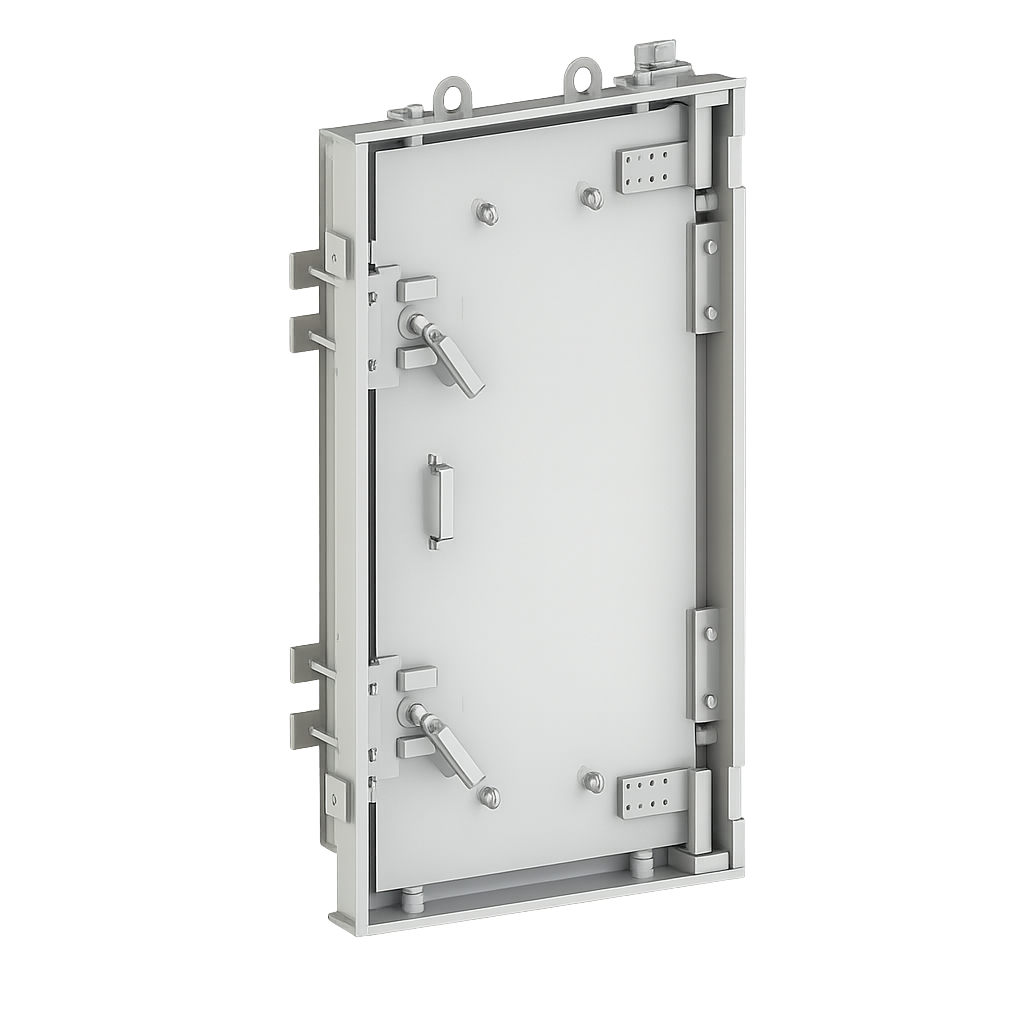
Gas-tight doors are specialized protective doors designed to create completely sealed environments where the leakage of air, gases, or contaminants must be prevented. In facilities where hazardous gases, toxic chemicals, or biological agents may be present, maintaining airtight protection is essential for ensuring safety and operational integrity. Gas-tight doors play a critical role in preventing the transfer of contaminated air between spaces and maintaining controlled environmental conditions.
These doors are widely used in safety-critical applications such as CBRN shelters, laboratories, chemical plants, underground bunkers, and high-security infrastructure. By combining robust structural design with advanced sealing mechanisms, gas-tight doors help protect both occupants and equipment from exposure to harmful gases or contaminants.
Modern safety infrastructure often integrates gas-tight doors with ventilation, filtration, and overpressure protection systems to maintain controlled airflow and ensure that protected spaces remain safe during emergency situations.
What is a Gas-Tight Door?
A gas-tight door is a specially engineered door system designed to prevent the leakage of air or gases through door openings. Unlike standard industrial or commercial doors, gas-tight doors are equipped with precision sealing systems that create an airtight barrier when the door is closed.
These doors are typically constructed using reinforced steel frames and door panels, combined with high-performance gasket seals that compress when the door is locked. The compression of these seals ensures that no air, gas, or contaminants can pass through the door frame.
Gas-tight doors are often used in facilities where maintaining a sealed environment is essential, such as containment laboratories, chemical processing facilities, and civil defense shelters. By preventing air leakage, these doors help maintain pressure differences and protect safe zones from contaminated environments.
Purpose of Gas-Tight Doors
The primary purpose of gas-tight doors is to maintain airtight containment in environments where gas leakage or contamination must be prevented. In hazardous facilities, even small amounts of air leakage can compromise safety by allowing toxic gases or contaminants to spread.
Gas-tight doors help prevent this risk by sealing access points between different areas of a facility. In CBRN protection systems, for example, gas-tight doors help maintain positive pressure inside shelters, ensuring that contaminated air cannot enter protected spaces.
In industrial environments, these doors are also used to isolate hazardous zones and protect workers from exposure to dangerous gases or chemical vapors. By maintaining controlled environments, gas-tight doors support safety protocols and regulatory compliance in high-risk facilities.
Where Gas-Tight Doors are Used
Gas-tight doors are widely used in facilities that require strict air containment and environmental control.
Defense and Civil Protection Shelters
CBRN shelters, underground bunkers, and military command centers rely on gas-tight doors to maintain sealed environments during chemical or biological threats.
Laboratories and Research Facilities
Biological containment laboratories, pharmaceutical plants, and chemical research facilities use gas-tight doors to prevent contamination between controlled spaces.
Industrial Facilities
Chemical plants, oil and gas installations, and hazardous material storage facilities install gas-tight doors to isolate dangerous environments and protect personnel.
Critical Infrastructure
Nuclear facilities, underground infrastructure, and high-security installations require gas-tight doors to maintain safe and controlled internal environments.
How a Gas-Tight Door Works
Gas-tight doors operate through a combination of structural strength and precision sealing technology. When the door is closed, the locking mechanism compresses specialized gasket seals around the door frame. This compression creates an airtight barrier that prevents air or gas from passing through the opening.
The reinforced door panel and frame ensure structural stability while maintaining the integrity of the seal. In many installations, gas-tight doors are also designed to support pressure differences within a facility, helping maintain positive or negative pressure environments as required.
Some gas-tight doors may also incorporate additional safety features such as heavy-duty locking mechanisms, corrosion-resistant coatings, and compatibility with blast or fire protection systems.
Benefits of Installing Gas-Tight Doors
Gas-tight doors provide several important advantages in facilities that require strict environmental control and safety protection:
- Prevent leakage of hazardous gases and contaminants
- Maintain airtight environments in protected facilities
- Protect occupants from toxic air exposure
- Support CBRN filtration and overpressure protection systems
- Improve containment safety in laboratories and industrial plants
- Enhance overall infrastructure safety and operational reliability
Gas-Tight Door Solutions by Sigma Power Tech
Sigma Power Tech Pvt Ltd provides advanced gas-tight door solutions for defense, industrial, and critical infrastructure applications. Our door systems are designed to ensure reliable sealing performance while maintaining durability and operational efficiency.
We offer comprehensive services including equipment supply, engineering consultation, system integration, installation, and commissioning. Our solutions are suitable for CBRN shelters, laboratories, industrial facilities, and secure infrastructure where airtight protection is essential.
With strong expertise in protective infrastructure and CBRN safety systems, Sigma Power Tech delivers reliable solutions designed to ensure long-term operational safety and environmental protection.


