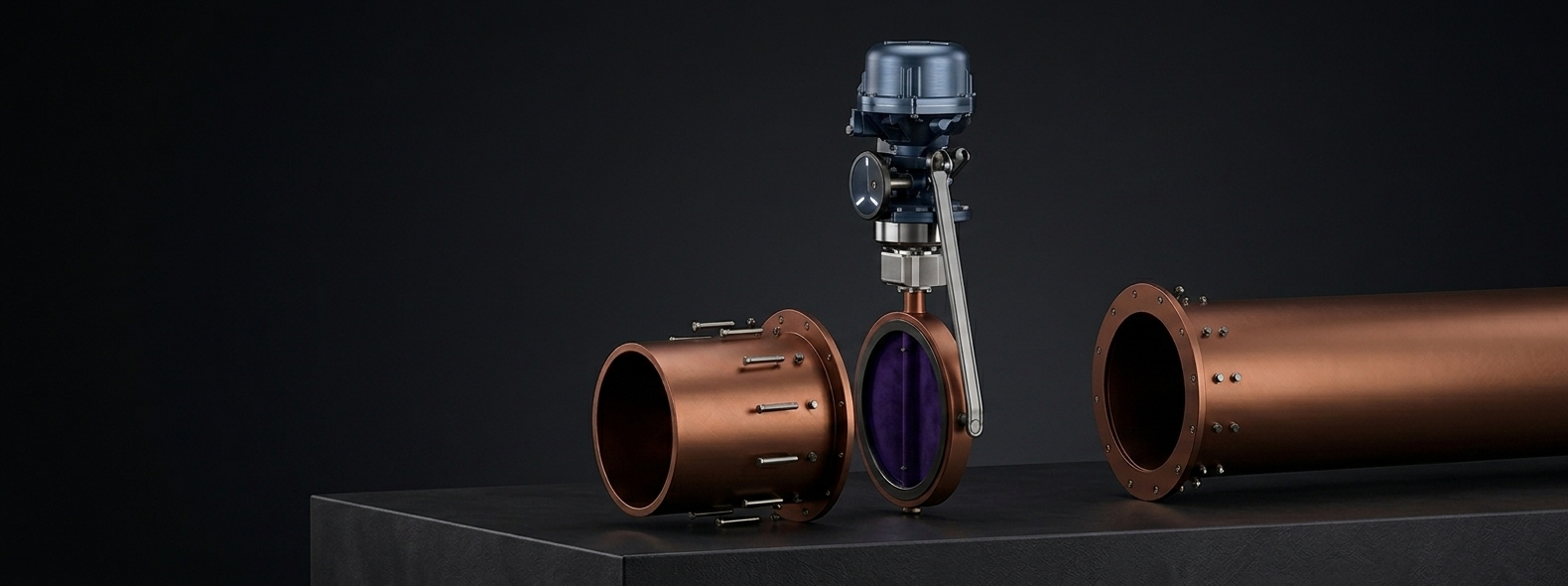
Gas Tight Valves (GTV) are essential components used in protected ventilation systems to ensure complete airtight isolation in critical environments. In facilities where the presence of toxic gases, hazardous contaminants, or chemical agents can pose serious risks, maintaining a sealed and controlled air environment is crucial. Gas-tight valves play a vital role in preventing the leakage or entry of gases through ventilation ducts and air handling systems.
These valves are widely used in safety-critical applications such as defense shelters, underground bunkers, chemical plants, and hazardous industrial facilities. By providing reliable sealing capability, gas tight valves help maintain safe internal conditions while protecting both occupants and sensitive infrastructure.
Modern protection systems integrate gas-tight valves with ventilation, filtration, and overpressure systems to ensure complete control over airflow and prevent contamination from external environments.
What is a Gas Tight Valve?
A gas-tight valve is a specialized mechanical valve designed to completely seal air ducts or ventilation pipelines to prevent the passage of gases or contaminated air. Unlike standard ventilation dampers, gas-tight valves are engineered with precision sealing mechanisms that ensure extremely low leakage rates, making them suitable for environments requiring strict air containment.
These valves act as isolation barriers within ventilation systems. When closed, they create an airtight seal that prevents the movement of air or gases between different sections of a facility. This capability is especially important in facilities where maintaining a controlled atmosphere is necessary for safety and operational stability.
Gas-tight valves are commonly installed in ventilation ducts connected to filtration systems, air supply units, and protected shelter environments.
Purpose of Gas-Tight Valves
The primary purpose of a gas-tight valve is to maintain airtight isolation within protected facilities. In hazardous environments, uncontrolled airflow can allow toxic gases, chemical agents, or contaminated air to spread through ventilation systems.
Gas-tight valves help prevent this by providing a secure sealing mechanism that blocks the movement of gases when isolation is required. In CBRN shelters and emergency protection facilities, these valves are used to maintain a safe and breathable internal atmosphere during external contamination events.
In industrial environments, gas-tight valves also help isolate sections of ventilation or process systems, allowing operators to control airflow and maintain safety during maintenance or emergency situations.
Where Gas-Tight Valves are Used
Gas-tight valves are used in a wide range of facilities where airtight protection and controlled airflow are essential.
Defense and Civil Protection Shelters
CBRN shelters, military bunkers, and underground command centers rely on gas tight valves to maintain sealed environments during chemical or biological threats.
Industrial Facilities
Chemical plants, oil refineries, and pharmaceutical manufacturing facilities use gas tight valves to prevent hazardous gas leakage and protect workers.
Critical Infrastructure
Nuclear facilities, research laboratories, and high-security installations require gas tight valves to ensure safe containment of potentially dangerous gases.
Ventilation and Filtration Systems
Gas tight valves are also integrated with HVAC and filtration systems in protected facilities where maintaining controlled air circulation is essential.
How a Gas-Tight Valve Works
Gas tight valves operate through a simple but highly reliable mechanical sealing mechanism.
During normal operation, the valve remains open, allowing air to flow through the ventilation system as required. When isolation is needed, the valve closes using either a manual handle, electric actuator, pneumatic actuator, or spring return mechanism.
Once closed, the sealing surfaces inside the valve create a tight barrier that prevents air or gases from passing through the duct. This airtight seal ensures that contaminated air cannot enter protected areas and that hazardous gases cannot escape into safe environments.
The valve remains closed until it is intentionally reopened, ensuring controlled airflow and maintaining safety during emergency situations.
Benefits of Installing Gas-Tight Valves
Gas-tight valves provide several important advantages for facilities requiring high levels of safety and air containment:
- Prevent leakage of hazardous gases
- Protect occupants from toxic or contaminated air
- Maintain controlled air environments in shelters and protected spaces
- Support CBRN filtration and overpressure systems
- Improve safety in chemical and industrial facilities
- Enhance reliability of ventilation and containment systems
Gas-Tight Valve Solutions by Sigma Power Tech
Sigma Power Tech Pvt Ltd provides advanced gas-tight valve solutions for defense, industrial, and critical infrastructure applications. Our valves are designed to deliver reliable sealing performance while integrating seamlessly with ventilation and filtration systems.
We offer comprehensive services including equipment supply, engineering design support, system integration, installation, and commissioning. Our solutions are suitable for CBRN shelters, underground protection systems, industrial facilities, and other environments where airtight protection is essential.
With strong expertise in protective infrastructure and CBRN safety systems, Sigma Power Tech delivers reliable solutions designed to ensure long-term operational safety and environmental protection.


