
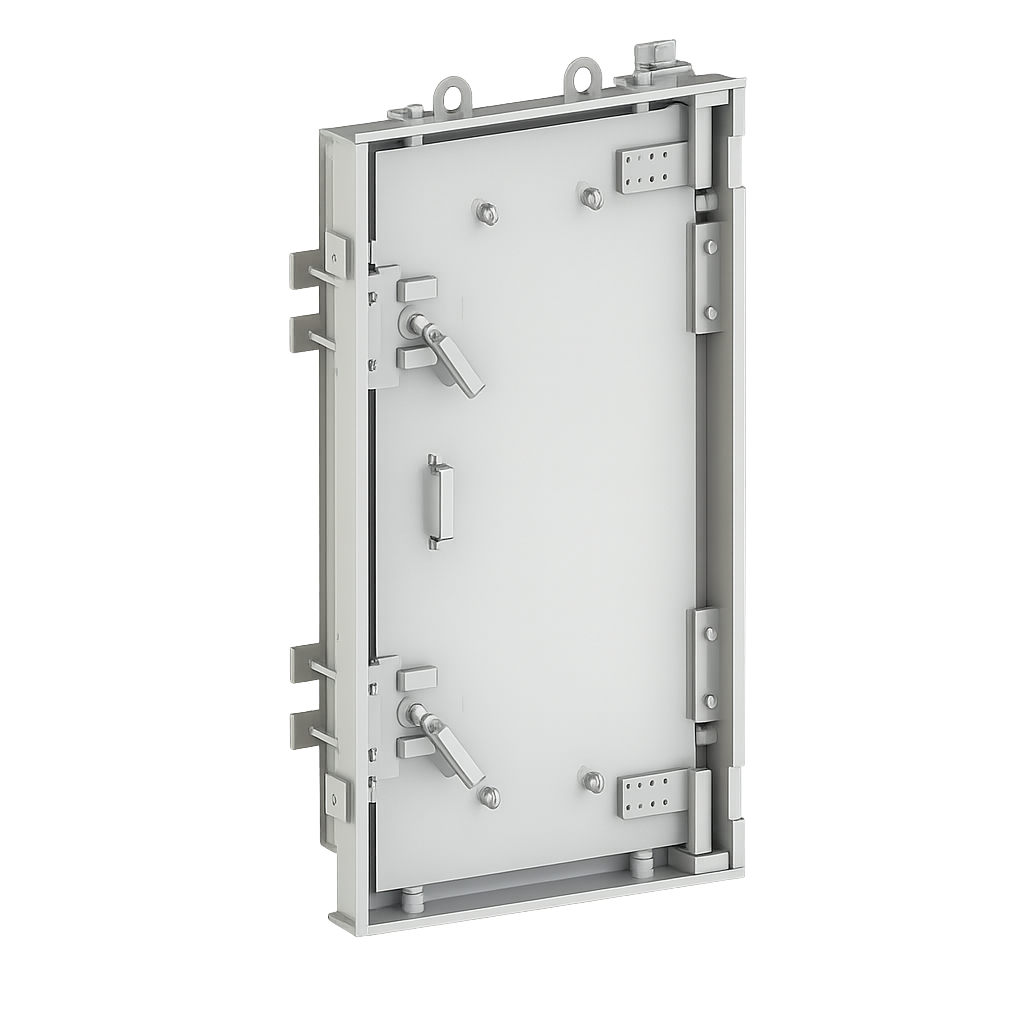
Sigma Power Tech Gas Tight Door

Gas-Tight Door

Gas-tight doors are specialized protective doors designed to create completely sealed environments where the leakage of air, gases, or contaminants must be prevented. In facilities where hazardous gases, toxic chemicals, or biological agents may be present, maintaining airtight protection is essential for ensuring safety and operational integrity. Gas-tight doors play a critical role in preventing the transfer of contaminated air between spaces and maintaining controlled environmental conditions.

These doors are widely used in safety-critical applications such as CBRN shelters, laboratories, chemical plants, underground bunkers, and high-security infrastructure. By combining robust structural design with advanced sealing mechanisms, gas-tight doors help protect both occupants and equipment from exposure to harmful gases or contaminants.

Modern safety infrastructure often integrates gas-tight doors with ventilation, filtration, and overpressure protection systems to maintain controlled airflow and ensure that protected spaces remain safe during emergency situations.


What is a Gas-Tight Door?

A gas-tight door is a specially engineered door system designed to prevent the leakage of air or gases through door openings. Unlike standard industrial or commercial doors, gas-tight doors are equipped with precision sealing systems that create an airtight barrier when the door is closed.

These doors are typically constructed using reinforced steel frames and door panels, combined with high-performance gasket seals that compress when the door is locked. The compression of these seals ensures that no air, gas, or contaminants can pass through the door frame.

Gas-tight doors are often used in facilities where maintaining a sealed environment is essential, such as containment laboratories, chemical processing facilities, and civil defense shelters. By preventing air leakage, these doors help maintain pressure differences and protect safe zones from contaminated environments.


Purpose of Gas-Tight Doors

The primary purpose of gas-tight doors is to maintain airtight containment in environments where gas leakage or contamination must be prevented. In hazardous facilities, even small amounts of air leakage can compromise safety by allowing toxic gases or contaminants to spread.

Gas-tight doors help prevent this risk by sealing access points between different areas of a facility. In CBRN protection systems, for example, gas-tight doors help maintain positive pressure inside shelters, ensuring that contaminated air cannot enter protected spaces.

In industrial environments, these doors are also used to isolate hazardous zones and protect workers from exposure to dangerous gases or chemical vapors. By maintaining controlled environments, gas-tight doors support safety protocols and regulatory compliance in high-risk facilities.


Where Gas-Tight Doors are Used

Gas-tight doors are widely used in facilities that require strict air containment and environmental control.

Defense and Civil Protection Shelters

CBRN shelters, underground bunkers, and military command centers rely on gas-tight doors to maintain sealed environments during chemical or biological threats.

Laboratories and Research Facilities

Biological containment laboratories, pharmaceutical plants, and chemical research facilities use gas-tight doors to prevent contamination between controlled spaces.

Industrial Facilities

Chemical plants, oil and gas installations, and hazardous material storage facilities install gas-tight doors to isolate dangerous environments and protect personnel.

Critical Infrastructure

Nuclear facilities, underground infrastructure, and high-security installations require gas-tight doors to maintain safe and controlled internal environments.


How a Gas-Tight Door Works

Gas-tight doors operate through a combination of structural strength and precision sealing technology. When the door is closed, the locking mechanism compresses specialized gasket seals around the door frame. This compression creates an airtight barrier that prevents air or gas from passing through the opening.

The reinforced door panel and frame ensure structural stability while maintaining the integrity of the seal. In many installations, gas-tight doors are also designed to support pressure differences within a facility, helping maintain positive or negative pressure environments as required.

Some gas-tight doors may also incorporate additional safety features such as heavy-duty locking mechanisms, corrosion-resistant coatings, and compatibility with blast or fire protection systems.


Benefits of Installing Gas-Tight Doors

Gas-tight doors provide several important advantages in facilities that require strict environmental control and safety protection:

  • Prevent leakage of hazardous gases and contaminants
  • Maintain airtight environments in protected facilities
  • Protect occupants from toxic air exposure
  • Support CBRN filtration and overpressure protection systems
  • Improve containment safety in laboratories and industrial plants
  • Enhance overall infrastructure safety and operational reliability

Gas-Tight Door Solutions by Sigma Power Tech

Sigma Power Tech Pvt Ltd provides advanced gas-tight door solutions for defense, industrial, and critical infrastructure applications. Our door systems are designed to ensure reliable sealing performance while maintaining durability and operational efficiency.

We offer comprehensive services including equipment supply, engineering consultation, system integration, installation, and commissioning. Our solutions are suitable for CBRN shelters, laboratories, industrial facilities, and secure infrastructure where airtight protection is essential.

With strong expertise in protective infrastructure and CBRN safety systems, Sigma Power Tech delivers reliable solutions designed to ensure long-term operational safety and environmental protection.

Related Posts

Sigma Power Tech Hangar Doors

Hangar Doors

Hangar doors are large industrial door systems designed to provide wide and unobstructed access openings for aircraft, large vehicles, and heavy equipment. These doors are an essential part of aviation infrastructure, allowing aircraft to safely enter and exit hangars used for storage, maintenance, and repair operations. Due to the size of modern aircraft and the operational requirements of aviation facilities, hangar doors must be engineered to combine strength, durability, and smooth operation. In addition to aviation applications, hangar doors are also widely used in industrial facilities, shipyards, and large warehouses where oversized equipment or vehicles require large entry points. These door systems are designed to withstand heavy wind loads, environmental conditions, and frequent operation while maintaining reliable performance over long periods. Modern hangar door systems combine strong structural design with advanced automation technology, allowing facilities to operate efficiently while ensuring safety and security. What are Hangar Doors? Hangar doors are large, heavy-duty doors designed specifically for buildings that house aircraft or other large equipment. Unlike conventional doors, hangar doors are engineered to cover extremely wide openings that may span tens of meters. These doors must be capable of handling high structural loads while still operating smoothly and safely. Typically constructed from high-strength steel or aluminum frameworks, hangar doors are designed to resist wind pressure, structural stress, and frequent movement. The door panels are mounted on specialized track systems, hinges, or lifting mechanisms that allow the door to open and close efficiently. Because aircraft hangars require wide and clear openings, hangar doors are often custom-designed according to the specific dimensions and operational needs of the facility. Purpose of Hangar Doors The primary purpose of hangar doors is to provide large and secure access openings for aircraft and heavy equipment. These doors allow aircraft to move in and out of hangars used

Read More »
Sigma Power Tech Blast Windows

Blast Windows

Blast windows are specially engineered glazing systems designed to protect buildings and occupants from the impact of explosions and blast pressure waves. In high-risk environments where explosions may occur due to industrial accidents, security threats, or hazardous processes, conventional windows can shatter and become a major source of injury and structural damage. Blast-resistant windows are developed to address this risk by providing a stronger and safer alternative to traditional glazing systems. These windows combine reinforced frames with laminated safety glass to absorb and resist the pressure generated during an explosion. Instead of shattering into dangerous fragments, blast windows are designed to maintain their integrity and minimize the risk of flying debris. As a result, they play a crucial role in improving the safety of critical facilities and protecting occupants from blast-related hazards. Blast windows are commonly used in defense facilities, industrial plants, government buildings, and high-security infrastructure where blast protection is an important design requirement. What is a Blast Window? A blast window is a reinforced window system designed to withstand the pressure generated by explosive shock waves. Unlike standard windows, blast windows use specially laminated glass panels combined with heavy-duty frames and anchoring systems to ensure structural stability during blast events. The laminated glass used in blast windows typically consists of multiple layers of glass bonded together with strong interlayers. This design allows the glass to absorb blast energy while preventing dangerous glass fragments from breaking away. The reinforced frame holds the glass securely in place and transfers the blast loads to the surrounding building structure. Blast windows are engineered according to specific blast pressure ratings, ensuring they can perform reliably under defined explosion conditions. These systems allow facilities to maintain visibility and natural lighting while providing enhanced safety and protection. Purpose of Blast Windows The primary purpose of

Read More »
Sigma Power Tech Blast Pipes

Blast Pipe

Blast pipes are specialized reinforced pipes used in ventilation systems designed for blast-resistant facilities. In environments where explosions or high-pressure shock waves may occur, every component of the ventilation system must be engineered to withstand extreme conditions. Blast pipes are designed to safely route airflow through protective structures while maintaining the structural integrity of blast-resistant walls and barriers. These pipes are commonly used in facilities such as defense shelters, underground bunkers, chemical plants, and other high-security installations where blast protection is essential. By combining heavy-duty construction with precise engineering design, blast pipes ensure that ventilation systems remain operational while protecting infrastructure from the effects of explosive pressure. In modern protective infrastructure, blast pipes often work together with other safety components such as blast valves, gas-tight valves, and filtration systems to create a fully protected ventilation network. What are Blast Pipes? Blast pipes are reinforced ventilation pipes specifically designed to withstand blast pressure and protect duct penetrations in blast-resistant structures. Unlike standard ventilation ducts, blast pipes are constructed using heavy-duty materials such as thick steel to provide additional structural strength and resistance to deformation. In blast-resistant facilities, ventilation ducts must pass through concrete or reinforced walls that are designed to withstand explosive forces. These penetrations can become structural weak points if not properly reinforced. Blast pipes solve this issue by acting as strong protective conduits that allow air to flow while maintaining the strength of the protective barrier. Because of their reinforced design, blast pipes help distribute blast loads safely across the surrounding structure, reducing the risk of damage around ventilation openings. Purpose of Blast Pipes The primary purpose of blast pipes is to ensure that ventilation systems can operate safely within blast-resistant environments. Proper airflow is necessary to maintain breathable air conditions inside shelters, bunkers, and protected facilities. Blast pipes

Read More »
Scroll to Top