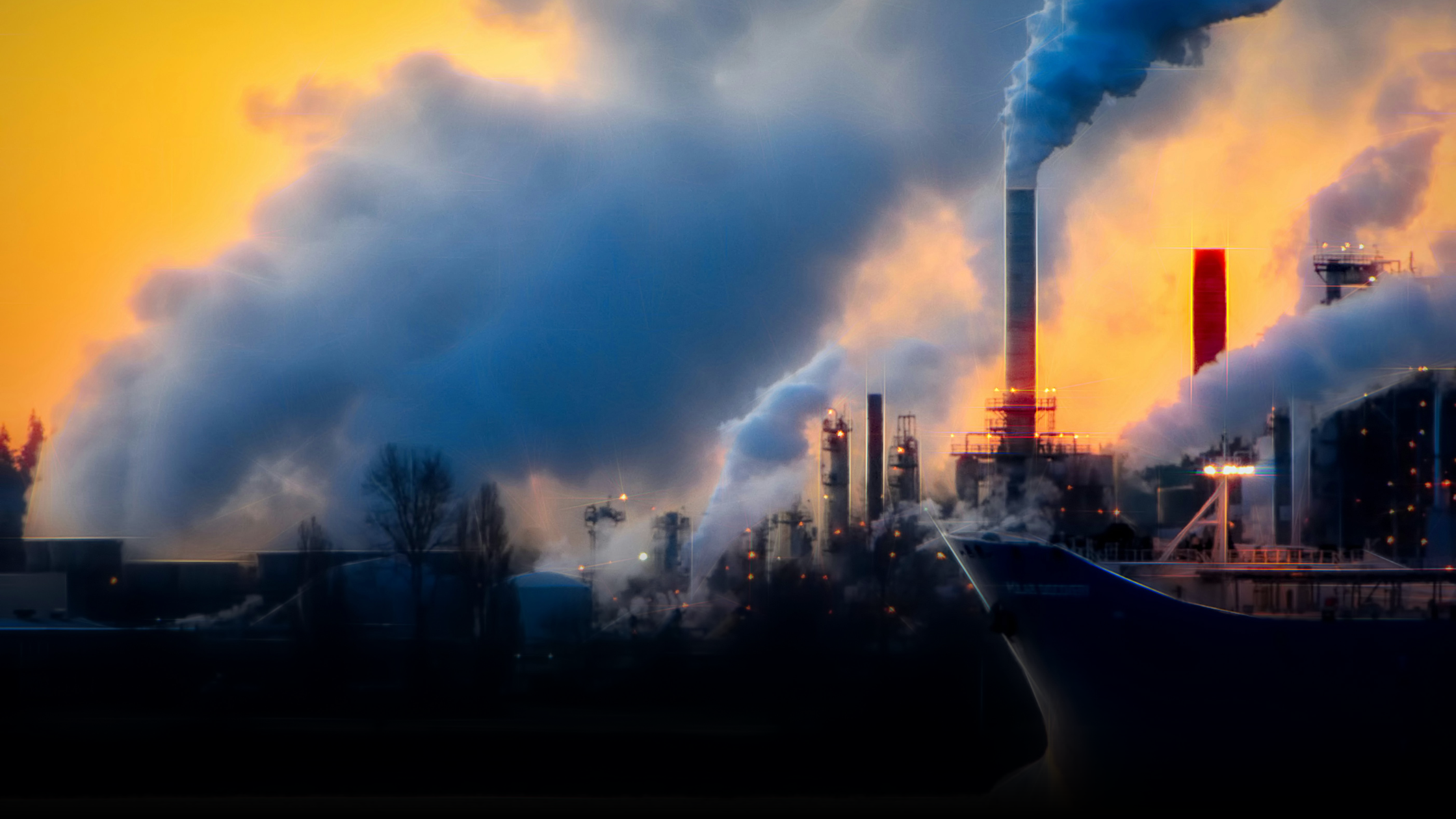
A CO₂ Removal System plays a crucial role in improving air quality and safety by efficiently removing carbon dioxide from industrial emissions and ambient air, thus reducing carbon pollution and harmful contaminants in the environment.
This blog explains in simple, everyday language how these systems work, their benefits, and why they matter for health and safety.
What is a CO₂ Removal System?
A CO₂ Removal System is a technology designed to capture carbon dioxide (CO₂), a greenhouse gas, from the air or industrial emissions. This helps lower pollution levels, reduce risks of climate change, and protects local communities from harmful air pollutants. Unlike just reducing emissions, these systems physically take CO₂ out of the atmosphere or exhaust streams and store it safely.
How Does CO₂ Harm Air Quality and Safety?
CO₂ itself is a naturally occurring gas, but in excessive amounts—especially near factories, power plants, and urban areas—it contributes to climate change and poor air conditions. High CO₂ levels often come alongside other dangerous pollutants like sulfur dioxide, nitrogen oxides, and soot. These pollutants cause breathing problems, heart disease, and environmental damage. Removing CO₂ also helps reduce these harmful compounds.
How CO₂ Removal Systems Work Simply
Imagine the system like a giant air filter. It “sucks” in polluted air, traps the CO₂ and other harmful gases using special materials or chemicals, and then either stores or recycles the cleaned air. Different types of CO₂ removal systems use methods like liquid solvents or solid filters. Modern systems are designed not only to capture CO₂ but also to scrub out other dangerous particles, improving the overall air quality.
Benefits of CO2 Removal Systems for Air Quality
- Cleaner, Healthier Air: By capturing CO₂ and other harmful pollutants, these systems reduce smog, acid rain-causing chemicals, and microscopic air particles that cause respiratory problems. Cleaner air means fewer health issues like asthma and heart diseases for nearby residents.
- Improved Climate Safety: Lower CO₂ levels help slow down global warming, reducing extreme weather events like heatwaves, storms, and floods that threaten safety and property.
- Protects Workers and Communities: Facilities that use CO₂ Removal Systems reduce toxic exposure risks in the workplace and surrounding areas, creating safer environments for people.
Additional Safety Features
Many CO₂ Removal Systems come with built-in safety and monitoring tools. They continuously check air quality levels, system performance, and notify operators if there is any irregularity. This early warning helps prevent unwanted releases of hazardous gases and ensures smooth operation.
Real-World Examples
CO₂ Removal Systems are used in industries like power plants, oil refining, and cement manufacturing—places that traditionally release large amounts of CO₂. Adding these systems has shown to reduce CO₂ emissions by up to 90% and also drastically cut other pollutants like sulfur dioxide and soot, leading to measurable health benefits in local communities.
Why This Matters to You
Whether you run an industrial facility or are concerned about air quality in your city, CO₂ Removal Systems offer practical solutions to improve health and safety. They help meet government environmental standards and contribute to global efforts against climate change.
Conclusion
CO₂ Removal Systems improve air quality by capturing carbon dioxide and other harmful pollutants from the air, making environments safer for people and the planet. Their use is a positive step toward better health, cleaner air, and a safer climate future. Understanding and investing in such technologies is key to protecting communities today and tomorrow.
If you want expert advice and solutions tailored to your facility’s needs, reach out to Sigma Power Tech for professional CO₂ Removal System services.
FAQ’s
Q1. Is CO₂ removal necessary to fight climate change?
Ans. Yes, experts agree that capturing and removing CO₂ is essential alongside reducing emissions to meet global climate goals and limit warming.
Q2. What industries use CO₂ Removal Systems?
Ans. Common industries include power plants, oil and gas, cement production, and chemical manufacturing — places that release large amounts of CO₂.
Q3. How is captured CO₂ stored or used?
Ans. Captured CO₂ can be stored underground safely or converted into products like fuels or building materials, preventing it from harming the atmosphere.
1 thought on “How CO₂ Removal System Improve Air Quality and Safety”
Pingback: CO₂ Scrubbing & Air Purification System for Shelters