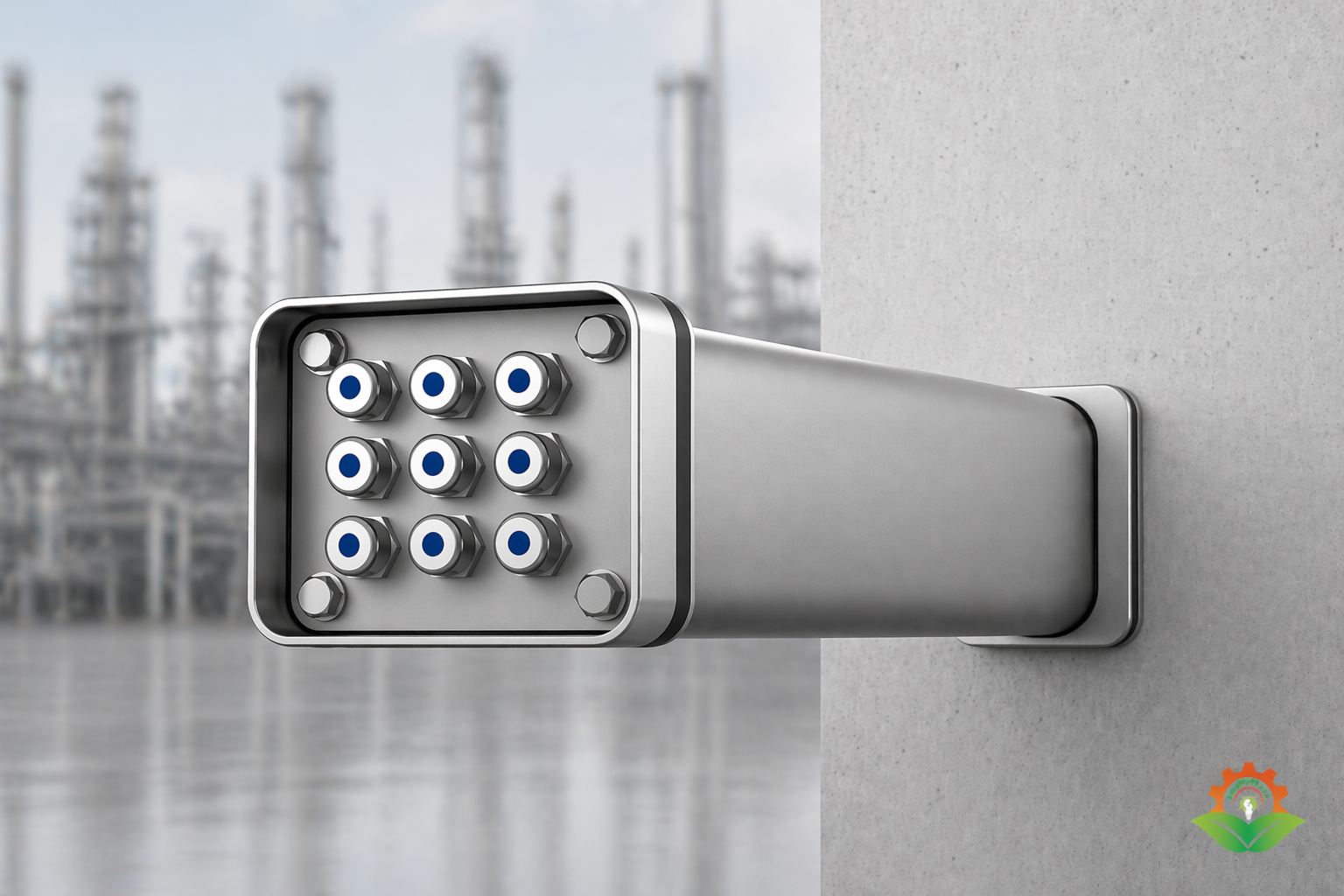
Blast sleeves are critical components used in blast-resistant infrastructure to protect ventilation ducts and structural wall penetrations from explosive pressure waves. In facilities designed to withstand blast events, every structural opening must be carefully engineered to prevent failure during an explosion. Blast sleeves play an important role in reinforcing these openings and ensuring that ventilation systems can safely pass through blast-resistant walls without compromising structural integrity.
These components are widely used in high-security facilities such as defense shelters, underground bunkers, chemical plants, and other critical infrastructure where blast protection is essential. By strengthening the areas where ducts pass through protective walls, blast sleeves help maintain the safety and reliability of the entire protection system.
Modern blast protection systems often integrate blast sleeves with ventilation ducts, blast valves, and gas-tight valves to create a complete protective solution for facilities exposed to potential explosion risks.
What are Blast Sleeves?
Blast sleeves are reinforced structural sleeves installed around ventilation ducts or openings where they pass through blast-resistant walls or barriers. Their main function is to protect the penetration point in the wall from structural damage during a blast event.
In blast-resistant facilities, ventilation ducts are necessary to provide airflow for occupants and equipment. However, these ducts must pass through thick concrete or reinforced walls that are designed to withstand explosive forces. Without proper reinforcement, the area around the duct penetration could become a weak point during an explosion.
Blast sleeves solve this problem by providing a strong protective interface between the duct and the surrounding structure. Typically made from heavy-duty steel or reinforced materials, blast sleeves help distribute blast pressure loads across the structural wall, reducing the risk of cracking, deformation, or failure.
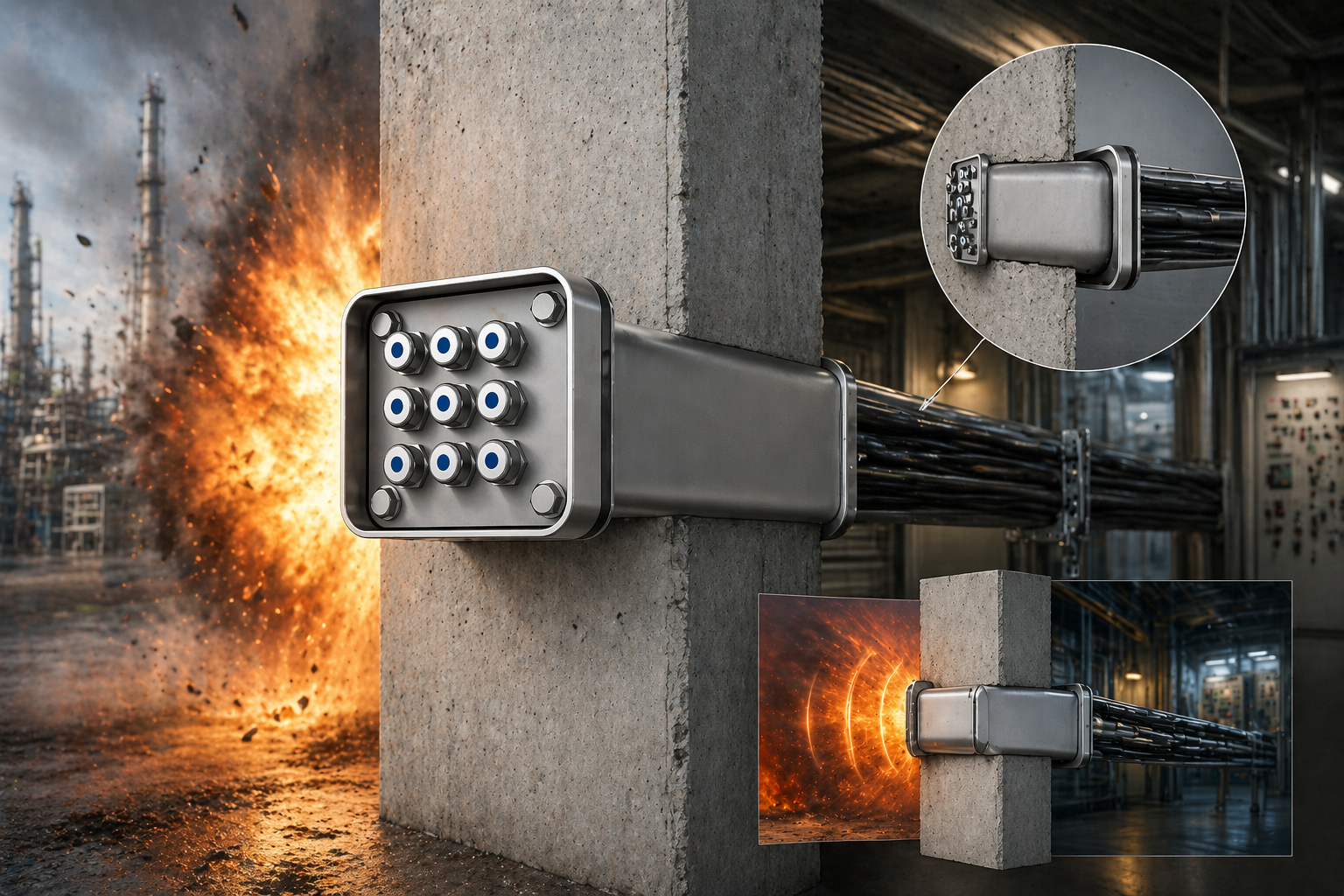
Purpose of Blast Sleeves
The primary purpose of blast sleeves is to maintain the structural strength of blast-resistant walls while allowing ventilation ducts to pass through them safely. During an explosion, pressure waves can create intense stress around structural openings.
Blast sleeves reinforce these penetration points, ensuring that the wall maintains its protective performance even under high blast pressure conditions. In addition, blast sleeves provide a secure mounting structure for blast protection equipment such as blast valves and gas-tight valves.
By protecting duct penetrations, blast sleeves help maintain both structural safety and ventilation functionality in protected facilities.
Where Blast Sleeves are Used
Blast sleeves are commonly used in facilities where blast protection and structural safety are critical.
Defense and Military Facilities
Military bunkers, command centers, ammunition depots, and CBRN shelters require blast sleeves to protect ventilation penetrations in blast-resistant walls.
Critical Infrastructure
Power plants, nuclear facilities, and government protection structures often incorporate blast sleeves to strengthen structural openings in protected environments.
Industrial Facilities
Chemical plants, oil and gas installations, and hazardous material processing facilities may use blast sleeves to reduce damage risks during accidental explosions.
Underground Infrastructure
Emergency shelters, underground data centers, and metro systems may also use blast sleeves in blast-resistant designs.
How Blast Sleeves Work
Blast sleeves function by reinforcing the area where ventilation ducts pass through blast-resistant structures. When installed, the sleeve forms a strong interface between the duct and the structural wall.
During a blast event, the explosive pressure wave creates high stress around openings in the structure. The blast sleeve distributes this pressure load across a larger structural area, reducing localized stress around the duct penetration.
This load distribution helps prevent cracking, deformation, or structural failure around the opening. As a result, the protective wall maintains its integrity while the ventilation system remains protected.
In many installations, blast sleeves also serve as mounting points for additional protection devices such as blast valves, which further enhance the facility’s safety system.
Benefits of Installing Blast Sleeves
Installing blast sleeves provides several important benefits for blast-resistant infrastructure:
- Protects ventilation duct penetrations from blast pressure
- Maintains structural integrity of blast-resistant walls
- Reduces risk of cracking or structural failure around openings
- Supports installation of blast protection equipment
- Enhances safety of protected shelters and facilities
- Improves durability and reliability of ventilation systems
Blast Sleeve Solutions by Sigma Power Tech
Sigma Power Tech Pvt Ltd provides engineered blast sleeve solutions designed for defense, industrial, and critical infrastructure applications. Our blast sleeves are designed to work seamlessly with ventilation systems, blast valves, and other protective equipment used in blast-resistant facilities.
We offer comprehensive services including engineering consultation, equipment supply, custom fabrication, installation, and commissioning. Our solutions are suitable for shelters, bunkers, underground facilities, and other infrastructure where blast protection is required.
With expertise in blast protection and CBRN shelter systems, Sigma Power Tech delivers reliable solutions that enhance structural safety and long-term operational reliability for critical facilities.


