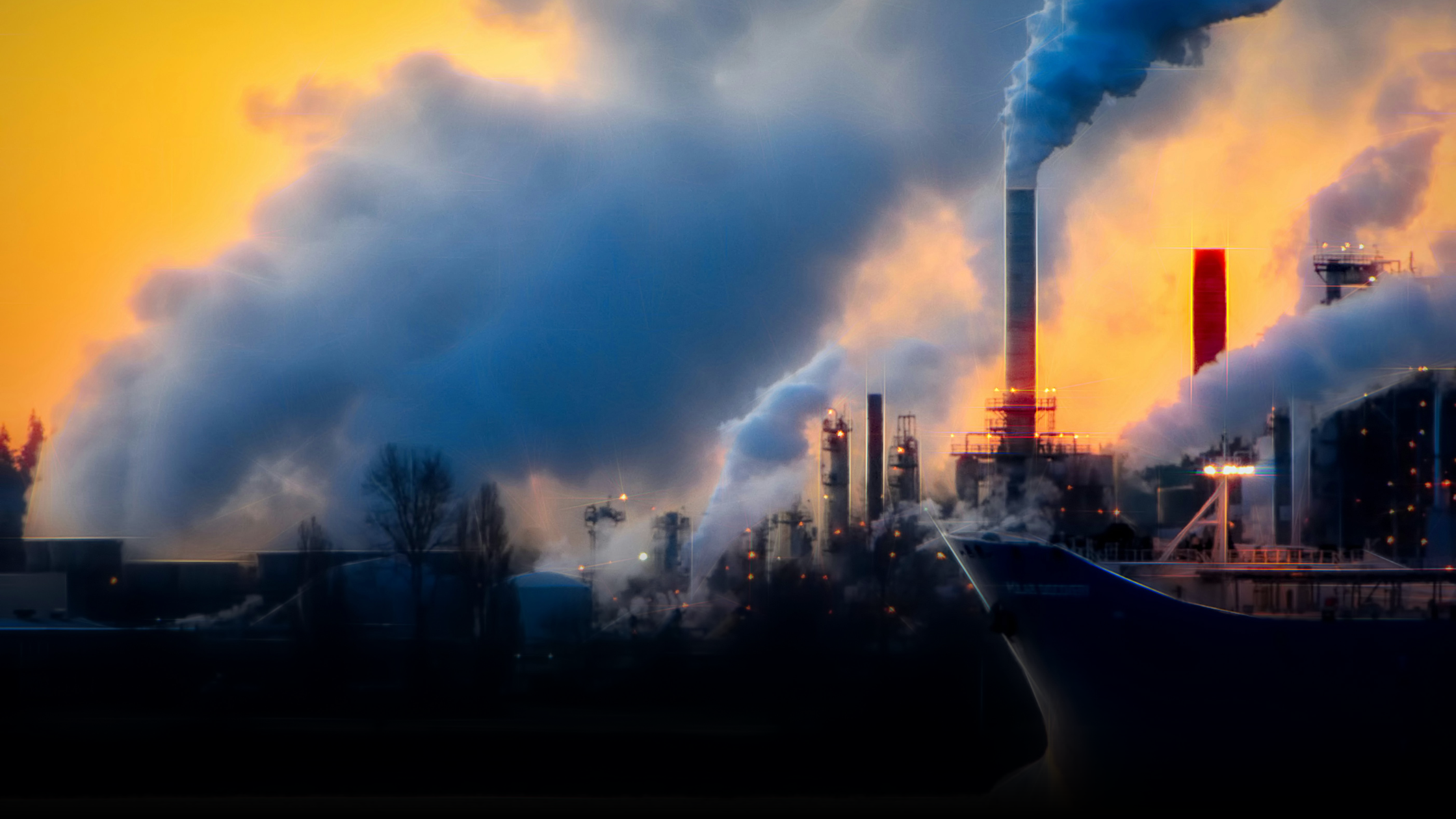
CO₂

How CO₂ Removal System Improve Air Quality and Safety

A CO₂ Removal System plays a crucial role in improving air quality and safety by efficiently removing carbon dioxide from industrial emissions and ambient air, thus reducing carbon pollution and harmful contaminants in the environment.

This blog explains in simple, everyday language how these systems work, their benefits, and why they matter for health and safety.

What is a CO₂ Removal System?

A CO₂ Removal System is a technology designed to capture carbon dioxide (CO₂), a greenhouse gas, from the air or industrial emissions. This helps lower pollution levels, reduce risks of climate change, and protects local communities from harmful air pollutants. Unlike just reducing emissions, these systems physically take CO₂ out of the atmosphere or exhaust streams and store it safely.

How Does CO₂ Harm Air Quality and Safety?

CO₂ itself is a naturally occurring gas, but in excessive amounts—especially near factories, power plants, and urban areas—it contributes to climate change and poor air conditions. High CO₂ levels often come alongside other dangerous pollutants like sulfur dioxide, nitrogen oxides, and soot. These pollutants cause breathing problems, heart disease, and environmental damage. Removing CO₂ also helps reduce these harmful compounds.

How CO₂ Removal Systems Work Simply

Imagine the system like a giant air filter. It “sucks” in polluted air, traps the CO₂ and other harmful gases using special materials or chemicals, and then either stores or recycles the cleaned air. Different types of CO₂ removal systems use methods like liquid solvents or solid filters. Modern systems are designed not only to capture CO₂ but also to scrub out other dangerous particles, improving the overall air quality.

Benefits of CO2 Removal Systems for Air Quality

  • Cleaner, Healthier Air: By capturing CO₂ and other harmful pollutants, these systems reduce smog, acid rain-causing chemicals, and microscopic air particles that cause respiratory problems. Cleaner air means fewer health issues like asthma and heart diseases for nearby residents.
  • Improved Climate Safety: Lower CO₂ levels help slow down global warming, reducing extreme weather events like heatwaves, storms, and floods that threaten safety and property.
  • Protects Workers and Communities: Facilities that use CO₂ Removal Systems reduce toxic exposure risks in the workplace and surrounding areas, creating safer environments for people.

Additional Safety Features

Many CO₂ Removal Systems come with built-in safety and monitoring tools. They continuously check air quality levels, system performance, and notify operators if there is any irregularity. This early warning helps prevent unwanted releases of hazardous gases and ensures smooth operation.

Real-World Examples

CO₂ Removal Systems are used in industries like power plants, oil refining, and cement manufacturing—places that traditionally release large amounts of CO₂. Adding these systems has shown to reduce CO₂ emissions by up to 90% and also drastically cut other pollutants like sulfur dioxide and soot, leading to measurable health benefits in local communities.

Why This Matters to You

Whether you run an industrial facility or are concerned about air quality in your city, CO₂ Removal Systems offer practical solutions to improve health and safety. They help meet government environmental standards and contribute to global efforts against climate change.

Conclusion

CO₂ Removal Systems improve air quality by capturing carbon dioxide and other harmful pollutants from the air, making environments safer for people and the planet. Their use is a positive step toward better health, cleaner air, and a safer climate future. Understanding and investing in such technologies is key to protecting communities today and tomorrow.

If you want expert advice and solutions tailored to your facility’s needs, reach out to Sigma Power Tech for professional CO₂ Removal System services.

FAQ’s

Q1. Is CO₂ removal necessary to fight climate change?
Ans. Yes, experts agree that capturing and removing CO₂ is essential alongside reducing emissions to meet global climate goals and limit warming.

Q2. What industries use CO₂ Removal Systems?
Ans.
Common industries include power plants, oil and gas, cement production, and chemical manufacturing — places that release large amounts of CO₂.

Q3. How is captured CO₂ stored or used?
Ans.
Captured CO₂ can be stored underground safely or converted into products like fuels or building materials, preventing it from harming the atmosphere.

Related Posts

The Role of Biogas Plants in Reducing Greenhouse Gas Emissions

Biogas plants play an important role in reducing greenhouse gas emissions by turning organic waste into renewable energy, thus minimizing harmful gases released into the atmosphere. This blog explains in simple terms how biogas plants contribute to mitigating climate change, the mechanisms behind emission reductions, and their broader environmental impact. What is a Biogas Plant? A biogas plant is a facility that processes organic waste—such as food scraps, farm manure, and plant material—using natural bacteria in a sealed environment without oxygen. This fermentation process produces biogas, mainly composed of methane and carbon dioxide. The biogas can be used as clean energy for cooking, heating, or electricity generation. How Do Biogas Plants Reduce Greenhouse Gas Emissions? 1. Capturing Methane from Waste Methane is a potent greenhouse gas, far stronger than carbon dioxide in trapping heat in the atmosphere. When organic waste decomposes naturally in landfills or open areas, it releases methane into the air. A biogas plant captures this methane during the fermentation process, preventing it from escaping into the atmosphere. 2. Using Renewable Energy Instead of Fossil Fuels Biogas produced in the plant can replace fossil fuels like coal, oil, or natural gas. Burning fossil fuels releases carbon stored underground for millions of years, adding to atmospheric carbon dioxide. Biogas, however, comes from recently living organic matter, so the carbon dioxide it releases is part of the natural carbon cycle, making it more sustainable. 3. Reducing Waste and Pollution By turning waste into energy, biogas plants reduce the amount of organic waste sent to landfills or open dumping grounds, where uncontrolled decomposition releases greenhouse gases and pollutes soil and water. This helps lower overall environmental pollution. Additional Environmental Benefits of Biogas Plants The Broader Impact on Climate Change Studies estimate biogas could reduce global greenhouse gas emissions by up to

Read More »

Top 10 Benefits of Installing Solar Panels on Your Home or Business

In today’s world, solar panels have become an increasingly popular choice for homeowners and businesses alike. The growing interest in solar energy is driven not only by environmental concerns but also by the numerous practical advantages this technology offers. Installing solar panels on your property can bring significant savings, boost property value, and support a sustainable future. This blog explores the top ten benefits of solar panels in a way that’s easy to understand, giving you a clear picture of why solar power is a wise investment. 1. Significant Savings on Electricity Bills The most noticeable benefit of solar panels is the reduction in monthly electricity bills. By generating your own electricity from sunlight, you rely less on energy from the grid, which means you pay less to the utility company. Over time, these savings can add up to thousands of rupees, effectively covering the initial cost of installing the panels. Plus, in many areas, you can sell surplus electricity back to the grid through net metering, turning your solar system into a source of income. 2. Environmentally Friendly Energy Source Solar energy is clean and renewable, which means it doesn’t produce harmful emissions that pollute the air or contribute to climate change. Switching to solar reduces your carbon footprint drastically compared to using electricity generated from coal or gas. This helps protect natural resources like water and air, contributing to a healthier planet for future generations. 3. Energy Independence and Security Generating your own electricity provides energy independence. You’re less affected by fluctuations in power prices or disruptions in the grid. For businesses, this means more predictable energy costs and greater control over operations. Solar panels paired with battery storage can also provide backup power during outages, increasing overall energy security. 4. Increased Property Value Homes and commercial buildings

Read More »

The Role of Fire Suppression Systems in Data Centres and Server Rooms

In today’s digital age, data centres and server rooms are the backbone of countless businesses and services. They house critical equipment that stores and processes vast amounts of data essential for daily operations. Protecting this valuable infrastructure from fire damage is paramount, and that’s where fire suppression systems become indispensable. This blog explains in simple terms how fire suppression systems safeguard data centres and server rooms, highlighting why they are essential and how they work to minimize risks without damaging sensitive equipment. Why Fire Suppression Systems Matter in Data Centres and Server Rooms Fires in data centres pose a severe threat—not only to physical hardware but also to the data, uptime, and business continuity. Even a minor fire can lead to devastating data loss, costly downtime, and safety hazards for personnel. Traditional fire sprinklers using water are unsuitable because water can severely damage electronic equipment. Fire suppression systems specially designed for these environments provide rapid and effective fire control without harming delicate devices. Key Benefits of Fire Suppression Systems in Data Centres How Fire Suppression Systems Work in Data Centres Effective fire suppression in data centres relies on early detection and clean extinguishing agents: Choosing the Right Fire Suppression System for Your Data Centre When selecting a system, consider: Conclusion Fire suppression systems are critical for protecting data centres and server rooms from fire disasters. By combining early detection, rapid response, and clean extinguishing agents, these systems guard critical assets, reduce downtime, enhance safety, and support business continuity. Data centre operators and owners should prioritize investing in advanced fire suppression solutions tailored to their specific needs. For expert advice and customized fire suppression system installation for your data centre, contact Sigma Power Tech to secure your technology and future. FAQ’s Q 1. What types of fire suppression systems are available?Ans.

Read More »
Scroll to Top