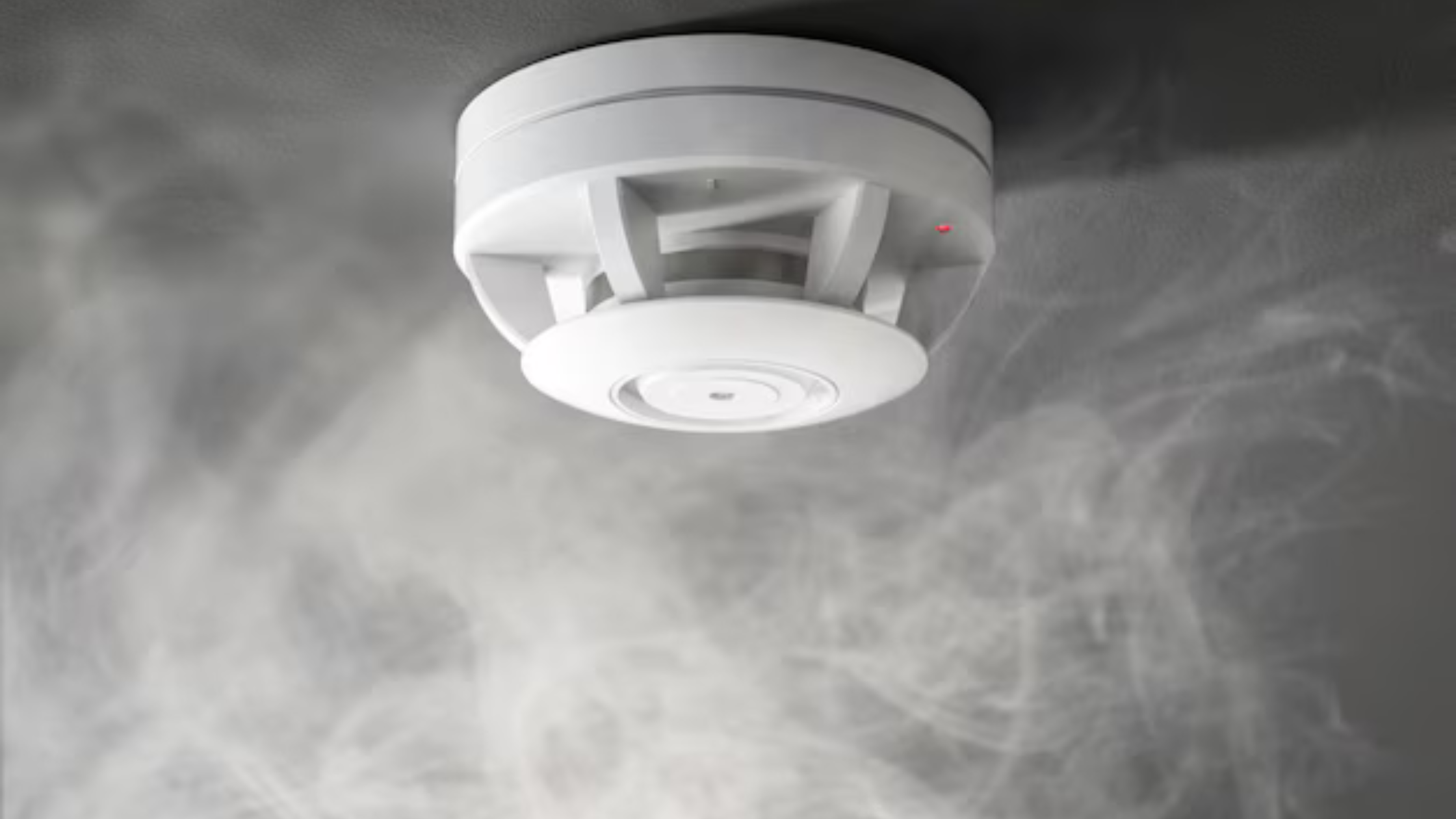
When it comes to protecting your building and its occupants from fire hazards, choosing the right fire detection system is a critical decision. A well-planned fire detection system not only helps in early detection of fire but also assists in prompt evacuation and prevents extensive damage.
This guide will walk you through the key points to consider when selecting a fire detection system, using simple, easy-to-understand language to help you make an informed choice.
Understand Your Building’s Needs
The first step is to assess the unique needs of your building. Consider the size, layout, number of floors, and the type of activities conducted inside. For example, a warehouse storing flammable materials will have very different fire risks compared to an office building. Understanding these factors helps determine which type of fire detection system best suits your facility.
Know the Main Types of Fire Detection Systems
Fire detection systems fall into several categories; each designed for different environments and fire risks:
- Conventional Fire Detection Systems
These systems divide the building into zones, each covered by a group of detectors connected to a central control panel. When a fire is detected, the panel shows the zone where the fire alarm was triggered but not the specific detector. They are more affordable and suitable for small to mid-sized buildings. - Addressable Fire Detection Systems
Addressable systems assign a unique identifier to each detector. This means if an alarm sounds, the panel can pinpoint the exact location of the detector that triggered the alert, saving time in emergency response. They are ideal for larger or more complex facilities. - Wireless Fire Detection Systems
Wireless systems use radio signals instead of cables to communicate between detectors and control panels. These systems are easier to install, especially in older buildings or those where running wires is difficult. They are flexible but may require battery maintenance. - Hybrid Fire Detection Systems
Hybrid systems combine wired and wireless technologies, offering flexibility and reliability. They allow gradual upgrades by integrating new wireless devices with existing wired setups, making them suitable for buildings undergoing renovation or expansion.
Consider the Types of Detectors
The type of detector within your fire detection system matters greatly. Common types include:
- Smoke Detectors: Detect smoke particles and are essential in most fire detection systems. These can be ionization (detect fast-flaming fires) or photoelectric (better for slow, smouldering fires).
- Heat Detectors: These devices sense changes in temperature rather than smoke. They are especially useful in areas where smoke detectors might give false alarms, such as dusty, steamy, or smoky environments like kitchens or industrial zones. Heat detectors trigger an alarm when the temperature rises rapidly or reaches a set limit, providing reliable fire detection in harsh conditions.
- Flame Detectors: Flame detectors identify the presence of fire by detecting the light emitted from flames. They use sensors that can see infrared or ultraviolet light wavelengths, which are invisible to the human eye. Because they detect actual flames, these detectors respond very quickly to fires and are often used in industrial settings where early flame detection is critical to preventing major damage.
- Multi-sensor Detectors: Combine smoke, heat, and sometimes gas detection to provide more reliable alarms and reduce false positives.
Evaluate System Features
Look for features that enhance the effectiveness and ease of use of your fire detection system:
- Sensitivity: The detectors should be sensitive enough to detect a real fire quickly but not so sensitive that they frequently trigger false alarms.
- Alarm Types: Choose systems with loud, clear alarms and visual alerts for accessibility.
- Control Panels: Intuitive control panels make it easier to understand alerts and manage the system. Some systems offer remote monitoring and control via smartphones.
- Integration: Consider systems that integrate with sprinklers, emergency lighting, and building management systems for a coordinated response.
Prioritize Maintenance and Compliance
Fire detection systems require regular maintenance and testing to ensure reliability. Select systems from reputable manufacturers with good support and easy maintenance schedules. Also, ensure the system complies with local fire safety regulations and standards to avoid legal issues and enhance safety.
Budget Wisely
Costs vary widely depending on system complexity and features. Balance your budget with the protection level you need. Sometimes investing a bit more in a higher quality or addressable system can result in better safety and lower long-term costs.
Seek Professional Advice and Installation
A professional fire safety expert can assess your building and recommend the best system tailored to your needs. Proper installation by certified technicians is crucial to ensure the system works correctly and meets regulatory requirements.
Conclusion
Choosing the right fire detection system is about understanding your building’s unique risks, selecting suitable detector types, and balancing features, maintenance, and budget. A well-chosen system will provide early warnings, help save lives, reduce property damage, and give you peace of mind.
If you want expert guidance and reliable fire detection solutions customized for your building, contact Sigma Power Tech. Our professionals can help you design, install, and maintain an effective fire detection system.
FAQ’s
Q1. Why is a fire detection system necessary?
Ans. It provides early warning of fire, helping save lives, reduce injuries, and limit property damage by enabling timely action.
Q2. How does a fire detection system work?
Ans. Detectors monitor their area and send signals to a control panel when they detect fire signs. The panel then triggers alarms and can activate fire suppression systems.
Q3. What is the difference between conventional and addressable fire detection systems?
Ans. Conventional systems monitor zones and alert generally where a fire is, while addressable systems identify the exact device that triggered the alarm.
Q4. Can fire detectors be triggered by cigarette smoke?
Ans. Yes, smoke detectors can respond to cigarette smoke as it resembles smoke particles. Avoid smoking near detectors to prevent false alarms.
Q5. How often should fire detection systems be tested?
Ans. Regular testing is recommended, typically annually or more frequently depending on regulations and manufacturer instructions, to ensure they work properly.
1 thought on “How to Choose the Right Fire Detection System for Your Building”
Pingback: Fire Detection, VESDA & Aerosol Suppression Solutions