



































India’s LPG Crisis 2026: Why Biogas is the Smartest Alternative Right Now
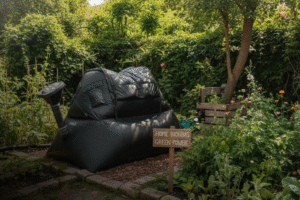
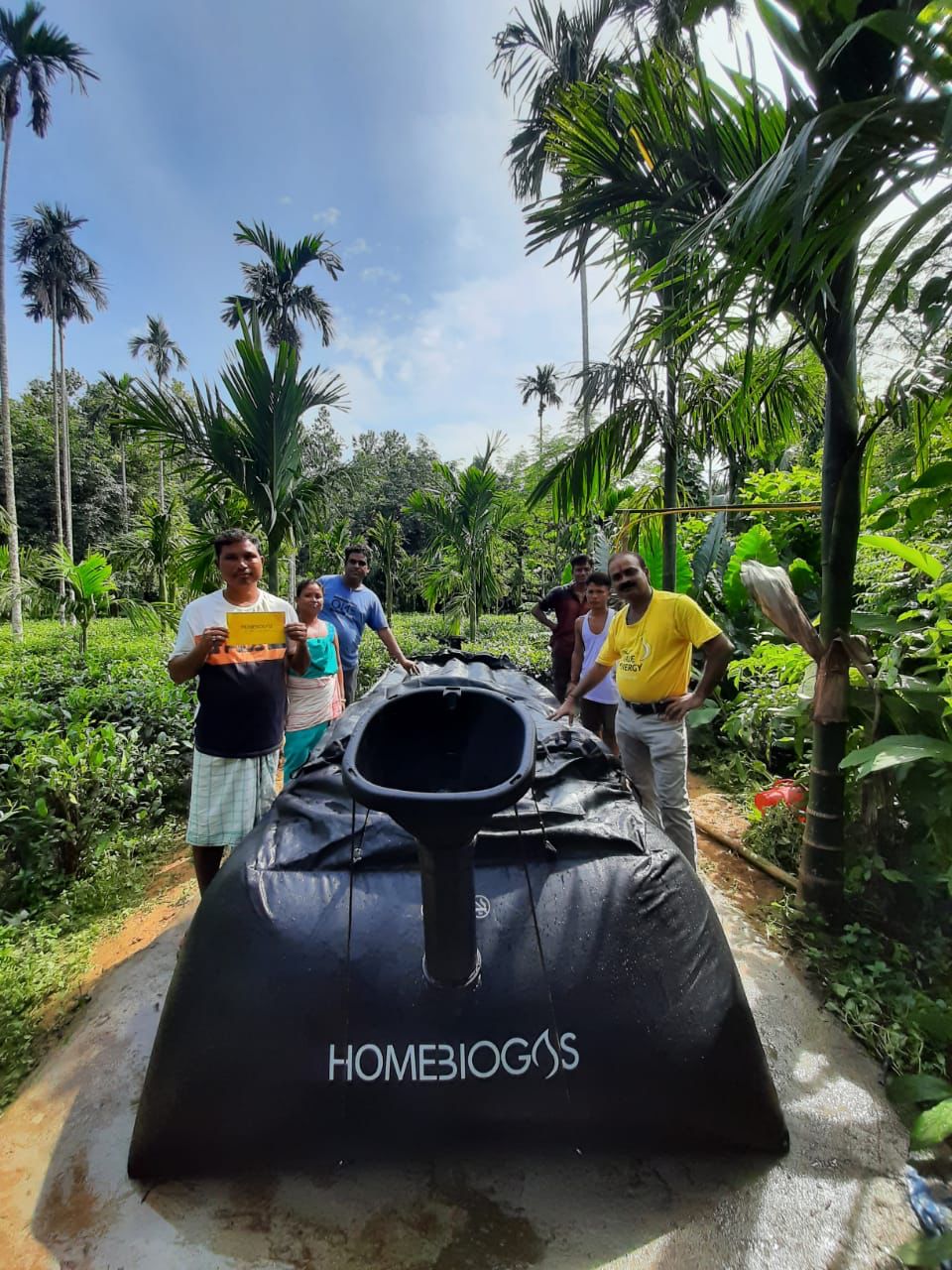
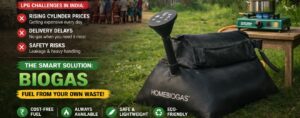
In 2026, millions of Indian households and small businesses are asking the same question:What happens when your LPG cylinder doesn’t arrive on time—and what if prices keep going up? India’s LPG crisis is no longer theoretical. Supply gaps, rising LPG cylinder price shocks, and distribution bottlenecks have turned cooking‑fuel planning into a monthly gamble for homes, farms, and commercial kitchens. Biogas is stepping in as the strategic, low‑risk alternative to this imported‑fuel dependency. It’s not just “eco‑friendly”; it’s an energy‑security tool that converts waste into gas, stabilizes operating costs, and builds decentralized, resilient fuel ecosystems. Why the West Asia War Is Causing India’s LPG Shortage in 2026 If you’re seeing LPG cylinder shortages, delays in LPG gas booking, and rising LPG cylinder prices in 2026, the real reason runs far beyond local distributors or “bad luck.” The root cause lies in the war in West Asia. India depends heavily on imported LPG, most of it coming from Qatar, Saudi Arabia, UAE, Kuwait, and Oman. Almost all these shipments must pass through the Strait of Hormuz, a narrow sea route between Iran and the Arabian Peninsula. When tensions escalated between Iran, Israel, and the United States in early 2026, attacks, warnings, and maritime disruptions turned this route into a high‑risk zone. Many tankers either stopped sailing, delayed shipments, or rerouted at higher cost. Insurance and freight charges shot up, and shipments slowed down or got held up. Result: What is driving India’s LPG crisis in 2026? The LPG crisis in 2026 is a mix of three factors: 1. Import dependence 2. Distribution bottlenecks 3. Rising demand For families, this means stress when the cylinder is late.For businesses, it’s risk to operations and margins. Biogas vs LPG LPG depends on global supply chains. Biogas depends on your own waste stream. Key comparison